Tag Archive for: witness statements

Choosing a Car Wreck Lawyer: What Every Driver Should Know

Throughout Alabama, you may see innumerable billboards, bus stops, commercials, flyers, and ads promoting car accident lawyers and attorneys. This can not only be overwhelming, but also make it difficult to find a car accident lawyer that works for you, not for your money. 

Thankfully, when it comes time to choose a personal injury attorney, there are certain items to look out for to find a personal injury lawyer that fits your specific needs. Below is a quick guide on how to choose the “best” car accident lawyer from the team at McPhillips Shinbaum, a personal injury law firm serving Montgomery, Alabama, and beyond.

What is a “Personal Injury”?

Before choosing a car accident lawyer, it is important to understand what a “personal injury” is and how it ties into car wrecks, truck accidents, motorcycle crashes, and more. 

Essentially, Personal injury can include accidents, illnesses, or trauma that affect your physical or psychological status due to the negligence of another person. With injuries causing so many variable expenses, the seriousness of your case will not only be determined by the type of injury but also by the extent of it.

When to Choose a Personal Injury Attorney 

Most of the time, when it comes to a potential personal injury case, you’ll want to seek out an experienced personal injury attorney. Here are a few instances or examples of when that could be the case, though:

  • A car accident with another individual left you seriously injured and required medical assistance.
  • Another party (which could include an insurance company) is attempting to blame you for the accident. 
  • Another party is questioning the accuracy of your medical treatment or even the legitimacy of your injuries. 

When these situations arise, a dedicated personal injury attorney can not only navigate the legal legwork of your case (including extensive paperwork and gathering any necessary evidence) but also fight on your behalf. 

How to Choose a Car Accident Lawyer in Montgomery

As mentioned, with so many personal injury law firms throughout Alabama, it can be easy to choose a large firm that serves the entire state (who may also have billboards across every highway in Alabama), but be cautious. 

While large car accident firms in Alabama may promise massive settlements and successful results, every personal injury case is going to be different. So, it is important to research multiple firms before choosing the first one you may see. 

Ultimately, many local firms in Alabama may not only provide more personal representation but ensure you receive the compensation you deserve by fighting for you, not against you. Essentially, to a local firm, you are more than just a number. 

Experienced Car Accident Attorneys in Montgomery, Alabama

McPhillips Shinbaum is a personal injury firm in Montgomery, Alabama, that offers extensive experience, knowledge, and support to any individual seeking compensation from a car accident due to the negligence of another party. 

For more information, contact McPhillips Shinbaum today!


The Most Common Personal Injury Cases in Montgomery

From car crashes to medical errors, if you’re familiar with the term “personal injury”, you probably understand how wide the range of situations this term covers. Yet, understanding the most common types of personal injury cases in Montgomery can make a huge difference if you or a loved one is ever hurt. Furthermore, knowing your rights and when it may be time to call a dedicated personal injury attorney can help you get the compensation you deserve. eserve.

Below is a quick breakdown of some of the most common types of personal injury cases we see here in Montgomery, from the experienced personal injury attorneys at McPhillips Shinbaum, LLP.

  1. Car Accidents

It’s no surprise that car accidents happen every day across Alabama…and Montgomery is no exception. Between congested city streets, unpredictable weather, and distracted drivers, crashes can happen in an instant, leading to minor whiplash or even life-changing trauma.

It is essential to point out that Alabama follows a “fault” system, meaning the driver who caused the accident is responsible for damages. That’s why it’s so important to document the scene, gather witness information, and seek medical attention immediately after a crash. Also, having a Montgomery car crash attorney on your side can make all the difference when it comes to proving liability and recovering fair compensation.

  1. Slip and Fall Accidents

Slip and fall accidents are another common type of personal injury case in Montgomery and across Alabama. These incidents can happen anywhere, like a grocery store, restaurant, apartment complex, event space, or even on poorly maintained sidewalks.

In Alabama, property owners have a duty to keep their premises safe for visitors. If they fail to fix hazards like wet floors, broken stairs, or uneven surfaces, and you or a loved one gets hurt as a result, they can be held liable for those injuries.

  1. Medical Malpractice

When we seek medical care in Alabama, we trust our doctors and nurses to provide safe, competent treatment. But when a healthcare provider makes a serious mistake, such as a misdiagnosis, surgical error, or medication issue, the results can be devastating.

Medical malpractice claims in Alabama are complex and require expert testimony to prove negligence. The attorneys at McPhillips Shinbaum understand how to navigate these cases, working to hold medical professionals accountable and fight for the justice patients deserve.

  1. Workplace Injuries

Depending on the nature of your job, Montgomery workers can face a variety of job-related risks from construction site injuries to repetitive strain or equipment accidents. While most employees are covered under workers’ compensation, there are cases where third-party negligence plays a role, allowing for a personal injury claim.

If you’ve been hurt on the job, it’s critical to report your injury, seek medical care, and talk with a Montgomery personal injury attorney to explore all your legal options.

Why Montgomery Trusts McPhillips Shinbaum

Navigating a personal injury claim can feel overwhelming…but you don’t have to do it alone. The personal injury attorneys at McPhillips Shinbaum have been representing victims across Montgomery and the state of Alabama for decades, fighting to protect the rights of those injured through no fault of their own.

If you or a loved one has been injured due to someone else’s negligence, don’t wait to get help. Contact the experienced personal injury lawyers at McPhillips Shinbaum today to schedule a consultation and take the first step toward the justice and compensation you deserve.


How Witness Statements Can Strengthen Your Alabama Car Crash Case

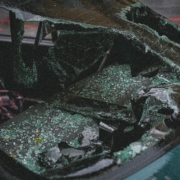
The moments following a car crash are a blur of twisted metal, screeching tires, and high-running emotions. In this chaos, determining what happened and who is at fault can be incredibly difficult. While drivers involved in the collision have their own versions of events, these are often colored by shock, self-interest, and the trauma of the incident. This is where an independent witness can become one of the most valuable assets in a personal injury claim. A clear, unbiased account from a third party can cut through the confusion and provide a foundation for your case.

What Is a Witness Statement and Why Is It So Important?

A witness statement is a formal account of events as observed by someone who saw the accident happen but was not directly involved in it. This person, often called an eyewitness or a third-party witness, provides a narrative of what they saw, heard, and perceived before, during, and after the collision. This account can be given verbally to a police officer at the scene, written down, or provided in a formal deposition during a lawsuit.

The importance of these statements cannot be overstated. They serve several key functions in a car accident claim:

  • Corroborating Evidence: A witness account can support your version of how the crash occurred. If you claim the other driver ran a red light, a witness who saw the same thing adds immense weight to your assertion.
  • Objective Viewpoint: Since the witness typically has no personal stake in the outcome of the claim, their testimony is seen as more objective and credible than the statements from the involved parties.
  • Filling in Gaps: You may not have seen every detail of the accident as it unfolded. A witness might have had a different vantage point and can provide information you were unaware of, such as the other car’s speed or erratic driving before the impact.
  • Contradicting False Claims: If the at-fault driver changes their story or provides false information to their insurance company, a witness statement can directly refute their claims and expose inconsistencies.

Essentially, a witness statement acts as an impartial narrator, helping to construct a clear and believable picture of the incident for police officers, insurance adjusters, and, if necessary, a jury.

The Power of an Objective Perspective in a Car Accident Claim

Insurance companies are businesses. Their primary goal is to protect their bottom line by minimizing payouts on claims. When a claim consists only of conflicting stories from the two involved drivers—a “he said, she said” scenario—an adjuster has an easy reason to dispute liability, delay payment, or make a lowball settlement offer. They can argue that the facts are unclear and that their insured driver is not entirely at fault.

An independent witness demolishes this argument. An objective account from someone with nothing to gain provides a neutral perspective that is difficult for an insurance company to ignore. This external validation shifts the balance of a claim, turning a disputed narrative into a fact-based argument. The testimony of a credible witness can pressure the at-fault driver’s insurer to acknowledge liability and negotiate in good faith.

How Witness Accounts Help Establish Negligence in Alabama

To have a successful car accident claim in Alabama, you must prove that the other driver was negligent and that their negligence caused your injuries and damages. Negligence is the failure to use reasonable care to prevent harm to others. A witness statement is a powerful tool for demonstrating the four elements of negligence:

  • Duty of Care: All drivers have a duty to operate their vehicles safely and follow traffic laws. This element is almost always present in a car accident case.
  • Breach of Duty: This is where a witness becomes invaluable. An eyewitness can testify to specific actions that constituted a breach of duty. For example, they might have seen the other driver texting, speeding, running a stop sign, or swerving between lanes.
  • Causation: The witness’s account can directly link the other driver’s breach of duty to the collision. For instance, their testimony that the driver ran a red light just before T-boning your vehicle establishes a clear cause-and-effect relationship.
  • Damages: While a witness typically cannot testify to the full extent of your financial and physical damages, their description of the crash’s severity—the force of the impact, the visible damage to the cars—can support your claims about the seriousness of your injuries.

Alabama also follows the rule of contributory negligence. This strict doctrine means that if you are found to be even 1% at fault for the accident, you are barred from recovering any compensation. A witness statement that clearly places 100% of the blame on the other driver is your strongest defense against an insurance company’s attempts to assign you partial fault and deny your claim entirely.

What Types of Witnesses Can Provide Testimony?

Not all witnesses are the same. Their relationship to the people involved and their location at the time of the incident can influence the weight of their testimony. Common types of witnesses in a car crash case include:

  • Pedestrians or Bystanders: These individuals are often considered the most credible witnesses because they have no connection to anyone in the crash and simply happened to be in the right place to observe it.
  • Other Drivers: Drivers of other vehicles who saw the accident can provide compelling testimony. They are familiar with the rules of the road and can often give a knowledgeable account of traffic flow and driver actions.
  • Passengers: Passengers in your vehicle or the other driver’s vehicle are also witnesses. While they can provide useful information, their testimony may be viewed as potentially biased due to their relationship with the driver. However, a passenger in the at-fault driver’s car who confirms their driver was negligent can be exceptionally persuasive.
  • Nearby Residents or Business Employees: Someone who heard the crash from a nearby home or business may have looked out a window immediately and seen the position of the cars or the behavior of the drivers right after impact.

What Makes a Witness Credible to Insurers and Juries?

Just having a witness is not enough; the witness must be credible. Insurance adjusters and juries will assess several factors to determine if a witness’s testimony is believable and reliable.

Factors that enhance witness credibility include:

  • Lack of Bias: A witness who does not know anyone involved in the accident is seen as more impartial.
  • Clear Vantage Point: The witness had an unobstructed view of the events leading up to and during the collision.
  • Good Demeanor: The witness appears calm, confident, and consistent in their retelling of the events. They are not overly emotional or eager to place blame.
  • Consistency: The story the witness tells remains consistent over time, from their initial statement to the police to any later testimony.
  • Lack of Impairment: The witness was not under the influence of drugs or alcohol and has good eyesight and hearing.
  • Corroboration: The witness’s account aligns with the physical evidence at the scene, such as skid marks, vehicle damage, and debris patterns.

Steps to Take at the Scene to Secure Witness Information

In the disorienting aftermath of a crash, it is important to act quickly, as witnesses may not wait around for the police to arrive. If you are physically able to do so, take these steps:

  • Look for Witnesses: Scan the area for anyone who may have seen what happened. This includes people on sidewalks, drivers who have pulled over, and individuals in nearby buildings.
  • Ask for Their Contact Information: Politely ask for their full name, phone number, and email address. This is the most important piece of information you can get.
  • Request a Brief Account: Ask them to tell you what they saw. You can record their statement on your phone (with their permission) or jot down brief notes.
  • Ask Them to Wait for Police: Encourage them to remain at the scene to speak with the responding officer. A statement included in an official police report carries significant authority.
  • Do Not Coach Them: Let them describe the events in their own words. Do not suggest details or try to influence their story.

How Are Witness Statements Used During Insurance Negotiations?

During the claims process, your attorney will present all evidence to the at-fault driver’s insurance company. A strong, credible witness statement is a key part of this evidence package. It serves as leverage during settlement negotiations. When an adjuster sees that you have an impartial third party ready to testify about their insured’s negligence, they are more likely to offer a fair settlement.

The statement prevents the adjuster from claiming the facts are ambiguous. It backs them into a corner, making it harder to justify denying the claim or making an unreasonably low offer. In many cases, a single powerful witness statement can be the deciding factor that leads to a successful pre-trial settlement, saving you time, money, and stress.

The Role of Eyewitness Testimony if Your Case Goes to Trial

If the insurance company refuses to offer a fair settlement and a lawsuit becomes necessary, witness testimony transitions from a negotiating tool to formal evidence presented in court. Your attorney will prepare the witness to testify. This involves reviewing their initial statement, discussing what to expect during questioning, and ensuring they are ready to present their account clearly and confidently to a judge and jury.

In the courtroom, a live witness telling their story can have a profound impact. A jury may find it easier to connect with and believe a real person sitting in the witness box than to simply read a dry report. Their testimony can bring the events of the accident to life and create a compelling narrative that supports your case for full and fair compensation.

Potential Challenges with Witness Statements

While witness statements are powerful, they are not without potential challenges. An experienced attorney knows how to anticipate and address these issues:

  • Memory Fade: The more time that passes, the more a witness’s memory of the event can fade or become confused. This is why it is so important to obtain their statement as soon as possible after the accident.
  • Inconsistent Statements: If a witness gives slightly different versions of the story at different times, the opposing counsel will try to use this to discredit them.
  • Bias: The defense may try to uncover any potential bias, however small, to argue that the witness is not truly impartial.
  • Locating the Witness: Sometimes, a witness leaves the scene before anyone can get their information, or they may become difficult to contact later.

How a Car Accident Attorney Assists with Witnesses

A knowledgeable personal injury attorney plays a direct role in maximizing the value of witness testimony. An attorney can:

  • Identify and Locate Witnesses: If you were unable to get witness information at the scene, a lawyer can use investigative resources to identify potential witnesses, such as by canvassing the area or seeking surveillance footage from nearby businesses.
  • Obtain Formal Statements: An attorney or their investigator will conduct a formal interview with the witness and secure a signed, written statement that can be used as evidence.
  • Vet for Credibility: They will assess the witness’s credibility and determine how their testimony will be perceived by an insurer or jury.
  • Prepare Witnesses for Testimony: Should the case proceed toward trial, your lawyer will prepare the witness for depositions and courtroom testimony, ensuring they are comfortable and ready for cross-examination.
  • Depose Opposing Witnesses: They will also question any witnesses the other side presents, challenging their credibility and looking for inconsistencies in their accounts.

Let’s Talk About Your Legal Options

The evidence you gather in the days and weeks after a car accident can shape the outcome of your entire case. A statement from a credible, independent witness can be the cornerstone of a successful personal injury claim in Alabama, providing the objective proof needed to establish liability and counter the arguments of insurance companies. If you have been injured in a car crash, do not leave the outcome to chance.

The legal team at McPhillips Shinbaum is here to help you build the strongest case possible. Attorney Aaron Luck can review the details of your accident, offer personalized guidance, and fight for your right to compensation.

Call us today at 334-262-1911 or send a message online to schedule a free consultation to discuss your case.

How Witness Statements Can Strengthen Your Alabama Car Crash Case

The moments following a car crash are a blur of twisted metal, screeching tires, and high-running emotions. In this chaos, determining what happened and who is at fault can be incredibly difficult. While drivers involved in the collision have their own versions of events, these are often colored by shock, self-interest, and the trauma of the incident. This is where an independent witness can become one of the most valuable assets in a personal injury claim. A clear, unbiased account from a third party can cut through the confusion and provide a foundation for your case.

What Is a Witness Statement and Why Is It So Important?

A witness statement is a formal account of events as observed by someone who saw the accident happen but was not directly involved in it. This person, often called an eyewitness or a third-party witness, provides a narrative of what they saw, heard, and perceived before, during, and after the collision. This account can be given verbally to a police officer at the scene, written down, or provided in a formal deposition during a lawsuit.

The importance of these statements cannot be overstated. They serve several key functions in a car accident claim:

  • Corroborating Evidence: A witness account can support your version of how the crash occurred. If you claim the other driver ran a red light, a witness who saw the same thing adds immense weight to your assertion.
  • Objective Viewpoint: Since the witness typically has no personal stake in the outcome of the claim, their testimony is seen as more objective and credible than the statements from the involved parties.
  • Filling in Gaps: You may not have seen every detail of the accident as it unfolded. A witness might have had a different vantage point and can provide information you were unaware of, such as the other car’s speed or erratic driving before the impact.
  • Contradicting False Claims: If the at-fault driver changes their story or provides false information to their insurance company, a witness statement can directly refute their claims and expose inconsistencies.

Essentially, a witness statement acts as an impartial narrator, helping to construct a clear and believable picture of the incident for police officers, insurance adjusters, and, if necessary, a jury.

The Power of an Objective Perspective in a Car Accident Claim

Insurance companies are businesses. Their primary goal is to protect their bottom line by minimizing payouts on claims. When a claim consists only of conflicting stories from the two involved drivers—a “he said, she said” scenario—an adjuster has an easy reason to dispute liability, delay payment, or make a lowball settlement offer. They can argue that the facts are unclear and that their insured driver is not entirely at fault.

An independent witness demolishes this argument. An objective account from someone with nothing to gain provides a neutral perspective that is difficult for an insurance company to ignore. This external validation shifts the balance of a claim, turning a disputed narrative into a fact-based argument. The testimony of a credible witness can pressure the at-fault driver’s insurer to acknowledge liability and negotiate in good faith.

How Witness Accounts Help Establish Negligence in Alabama

To have a successful car accident claim in Alabama, you must prove that the other driver was negligent and that their negligence caused your injuries and damages. Negligence is the failure to use reasonable care to prevent harm to others. A witness statement is a powerful tool for demonstrating the four elements of negligence:

  • Duty of Care: All drivers have a duty to operate their vehicles safely and follow traffic laws. This element is almost always present in a car accident case.
  • Breach of Duty: This is where a witness becomes invaluable. An eyewitness can testify to specific actions that constituted a breach of duty. For example, they might have seen the other driver texting, speeding, running a stop sign, or swerving between lanes.
  • Causation: The witness’s account can directly link the other driver’s breach of duty to the collision. For instance, their testimony that the driver ran a red light just before T-boning your vehicle establishes a clear cause-and-effect relationship.
  • Damages: While a witness typically cannot testify to the full extent of your financial and physical damages, their description of the crash’s severity—the force of the impact, the visible damage to the cars—can support your claims about the seriousness of your injuries.

Alabama also follows the rule of contributory negligence. This strict doctrine means that if you are found to be even 1% at fault for the accident, you are barred from recovering any compensation. A witness statement that clearly places 100% of the blame on the other driver is your strongest defense against an insurance company’s attempts to assign you partial fault and deny your claim entirely.

What Types of Witnesses Can Provide Testimony?

Not all witnesses are the same. Their relationship to the people involved and their location at the time of the incident can influence the weight of their testimony. Common types of witnesses in a car crash case include:

  • Pedestrians or Bystanders: These individuals are often considered the most credible witnesses because they have no connection to anyone in the crash and simply happened to be in the right place to observe it.
  • Other Drivers: Drivers of other vehicles who saw the accident can provide compelling testimony. They are familiar with the rules of the road and can often give a knowledgeable account of traffic flow and driver actions.
  • Passengers: Passengers in your vehicle or the other driver’s vehicle are also witnesses. While they can provide useful information, their testimony may be viewed as potentially biased due to their relationship with the driver. However, a passenger in the at-fault driver’s car who confirms their driver was negligent can be exceptionally persuasive.
  • Nearby Residents or Business Employees: Someone who heard the crash from a nearby home or business may have looked out a window immediately and seen the position of the cars or the behavior of the drivers right after impact.

What Makes a Witness Credible to Insurers and Juries?

Just having a witness is not enough; the witness must be credible. Insurance adjusters and juries will assess several factors to determine if a witness’s testimony is believable and reliable.

Factors that enhance witness credibility include:

  • Lack of Bias: A witness who does not know anyone involved in the accident is seen as more impartial.
  • Clear Vantage Point: The witness had an unobstructed view of the events leading up to and during the collision.
  • Good Demeanor: The witness appears calm, confident, and consistent in their retelling of the events. They are not overly emotional or eager to place blame.
  • Consistency: The story the witness tells remains consistent over time, from their initial statement to the police to any later testimony.
  • Lack of Impairment: The witness was not under the influence of drugs or alcohol and has good eyesight and hearing.
  • Corroboration: The witness’s account aligns with the physical evidence at the scene, such as skid marks, vehicle damage, and debris patterns.

Steps to Take at the Scene to Secure Witness Information

In the disorienting aftermath of a crash, it is important to act quickly, as witnesses may not wait around for the police to arrive. If you are physically able to do so, take these steps:

  • Look for Witnesses: Scan the area for anyone who may have seen what happened. This includes people on sidewalks, drivers who have pulled over, and individuals in nearby buildings.
  • Ask for Their Contact Information: Politely ask for their full name, phone number, and email address. This is the most important piece of information you can get.
  • Request a Brief Account: Ask them to tell you what they saw. You can record their statement on your phone (with their permission) or jot down brief notes.
  • Ask Them to Wait for Police: Encourage them to remain at the scene to speak with the responding officer. A statement included in an official police report carries significant authority.
  • Do Not Coach Them: Let them describe the events in their own words. Do not suggest details or try to influence their story.

How Are Witness Statements Used During Insurance Negotiations?

During the claims process, your attorney will present all evidence to the at-fault driver’s insurance company. A strong, credible witness statement is a key part of this evidence package. It serves as leverage during settlement negotiations. When an adjuster sees that you have an impartial third party ready to testify about their insured’s negligence, they are more likely to offer a fair settlement.

The statement prevents the adjuster from claiming the facts are ambiguous. It backs them into a corner, making it harder to justify denying the claim or making an unreasonably low offer. In many cases, a single powerful witness statement can be the deciding factor that leads to a successful pre-trial settlement, saving you time, money, and stress.

The Role of Eyewitness Testimony if Your Case Goes to Trial

If the insurance company refuses to offer a fair settlement and a lawsuit becomes necessary, witness testimony transitions from a negotiating tool to formal evidence presented in court. Your attorney will prepare the witness to testify. This involves reviewing their initial statement, discussing what to expect during questioning, and ensuring they are ready to present their account clearly and confidently to a judge and jury.

In the courtroom, a live witness telling their story can have a profound impact. A jury may find it easier to connect with and believe a real person sitting in the witness box than to simply read a dry report. Their testimony can bring the events of the accident to life and create a compelling narrative that supports your case for full and fair compensation.

Potential Challenges with Witness Statements

While witness statements are powerful, they are not without potential challenges. An experienced attorney knows how to anticipate and address these issues:

  • Memory Fade: The more time that passes, the more a witness’s memory of the event can fade or become confused. This is why it is so important to obtain their statement as soon as possible after the accident.
  • Inconsistent Statements: If a witness gives slightly different versions of the story at different times, the opposing counsel will try to use this to discredit them.
  • Bias: The defense may try to uncover any potential bias, however small, to argue that the witness is not truly impartial.
  • Locating the Witness: Sometimes, a witness leaves the scene before anyone can get their information, or they may become difficult to contact later.

How a Car Accident Attorney Assists with Witnesses

A knowledgeable personal injury attorney plays a direct role in maximizing the value of witness testimony. An attorney can:

  • Identify and Locate Witnesses: If you were unable to get witness information at the scene, a lawyer can use investigative resources to identify potential witnesses, such as by canvassing the area or seeking surveillance footage from nearby businesses.
  • Obtain Formal Statements: An attorney or their investigator will conduct a formal interview with the witness and secure a signed, written statement that can be used as evidence.
  • Vet for Credibility: They will assess the witness’s credibility and determine how their testimony will be perceived by an insurer or jury.
  • Prepare Witnesses for Testimony: Should the case proceed toward trial, your lawyer will prepare the witness for depositions and courtroom testimony, ensuring they are comfortable and ready for cross-examination.
  • Depose Opposing Witnesses: They will also question any witnesses the other side presents, challenging their credibility and looking for inconsistencies in their accounts.

Let’s Talk About Your Legal Options

The evidence you gather in the days and weeks after a car accident can shape the outcome of your entire case. A statement from a credible, independent witness can be the cornerstone of a successful personal injury claim in Alabama, providing the objective proof needed to establish liability and counter the arguments of insurance companies. If you have been injured in a car crash, do not leave the outcome to chance.

The legal team at McPhillips Shinbaum is here to help you build the strongest case possible. Attorney Aaron Luck can review the details of your accident, offer personalized guidance, and fight for your right to compensation.

Call us today at 334-262-1911 or send a message online to schedule a free consultation to discuss your case.