Is Your Child’s School Bus Safe?

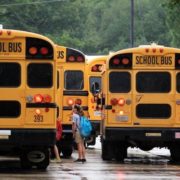
Each day, school buses across the nation carry more than 25 million students to and from school and activities. The school year has been back in full swing for two months in some places, and many children are spending extra time on school buses for sports and field trips. But, are your children really safe on school buses?

In reality, school bus accidents are rare. According to the National Highway Traffic Safety Administration (NHTSA), 327 children lost their lives in school bus-related accidents between 2004 and 2013. That might seem unacceptably high, but of this number, 147 children were in other vehicles, 125 were pedestrians or cyclists, and 54 were on a school bus. Still, there’s always room for improvement.

Improving Alabama School Bus Safety

Despite the figures that favor the safety of school buses, there are some real concerns. The NHTSA itself believes that there are several ways that schools and school bus companies can improve safety. Their recommendations include:

  • Paying extra attention to loading and unloading zones. More school bus-related accidents and injuries occur while buses are loading and unloading children than when they are driving on the road. When drivers fail to see children in a blind spot, in front, or behind the bus, they are more likely to hit or even run over a child, causing serious injury or death.
  • Reducing driver distractions. Just as with passenger vehicles, distracted school bus drivers can cause some serious if not deadly accidents. The NHTSA recommends that policies be in place to prohibit such things as texting or interacting with passengers while driving so that buses are as safe as possible. In fact, it is now illegal in the state of Alabama to use a cell phone while driving to send or receive text messages.
  • Requiring seatbelt use. Another way to increase the safety of school buses is to have seatbelts on the vehicles and require their use. The NHTSA believes that all school buses should have seatbelts, but the federal governments and most state governments have done little to further these initiatives.

Large school buses around the nation still don’t require safety belts. This is not the case, however, with smaller school buses. According to the NHTSA, the weight of larger school buses provides a measure of safety as a heavier bus will distribute crash forces differently than a passenger vehicle. Smaller school buses, under 10,000 pounds, are different. These need to have safety belts, either lap or shoulder belts, to provide additional crash protection.

Ways to Keep Your Children Safe Around School Buses

School bus companies and school districts must do their part to keep the transportation experience as safe as possible for children. There are also several ways that parents, and even children, can help prevent dangerous school bus accidents. Because most accidents occur outside the bus, here are five safety precautions to keep in mind courtesy of the National Safety Council:

  1. As the bus is approaching, children should move back from the road to line up.
  2. Children should not move towards the bus until it has come to a complete stop and the vehicle’s doors have opened.
  3. When getting off of the bus, children should cross the street at least 10 feet in front of the bus for the most visibility. Have children make eye contact with the bus driver before beginning to cross. Children should still look out for unexpected traffic.
  4. If a child must cross the street where there is a visual obstruction, such as a parked car, the child should carefully move to where others cars can see them before beginning to cross. Again, children should always look for traffic and look both ways before crossing the road.
  5. Always stay away from the rear wheels of the bus.

Who is to Blame When a School Bus Accident Occurs?

When a school bus accident does happen, the result can be serious and life-changing. Depending on the situation, the fault could lie with any number of parties. These include:

  • The school bus driver
  • The school bus company
  • The school district
  • Another driver
  • The bus manufacturer
  • A parts manufacturer
  • The school bus maintenance company

When there is potentially more than one party at fault in an accident, a case can become complicated. Whatever the cause of a school bus accident, if your child is injured, you may be entitled to compensation for damages.

Contact the Alabama school bus injury attorneys at McPhillips Shinbaum today at 334.262.1911 or online to schedule a free consultation to discuss your case.

The Alabama National Fair Begins Soon – What Happens If I Get Injured at a Fair or Carnival?

One of the things that Alabama residents enjoy doing for recreation is attending the various fairs, carnivals, and amusement parks around the state. The Alabama National Fair in Montgomery opens from October 25 – November 5 of this year, which is another opportunity to enjoy a long-running tradition. There is also the possibility for serious injury should one of the rides at this popular fair break or malfunction.

Thousands Injured Annually by Amusement Park Rides

Amusement park and fair ride accidents are in the spotlight once again after the tragic incident that took place in Ohio this past summer. When a ride malfunctioned at the Ohio State Fair, one person died, and seven more were injured. In 2016, three girls were injured when they fell from a Ferris wheel in at a Tennessee county fair. In Kansas, a 10-year old boy was killed due to a defect on the world’s tallest water slide.

According to the U.S. Consumer Product Safety Commission (CPSC), approximately 30,900 injuries occurred last year alone due to amusement park attractions. The types of rides that can cause serious injury can vary from small coin-operated rides to carousels and bumper cars to large roller coasters. One 20-year research study found that 70% of injuries occurred during summertime when most amusement parks are open and state fairs are held.

Amusement Park Injuries and Accidents in Recent Years

Too many people make the mistake of thinking that only the bigger and faster rides cause problems. Those rides can lead to some catastrophic injuries and even death, but just about any type of ride can cause serious injury. Most of these rides sit on hard surfaces, so just the act of falling out of an attraction can lead to injury.

Injuries from these amusement park accidents range from minor cuts and scrapes to issues that may be life-threatening. Some common injuries include head and neck problems, soft tissue injuries, and traumatic brain injury.

There are a variety of reasons why an amusement park or carnival injury might occur. Over a 10-year period, some of the most common causes of these accidents include:

  • Ride defects, including weight-bearing issues
  • Equipment and cable defects
  • Poor ride maintenance
  • Park guests entering unsafe or restricted areas
  • Ride safety bar issues

 What Happens If I Get Injured at a Fair or Carnival?

When the above-referenced study was published, the authors suggested that more regulations needed to be in place to make these rides safer for the public. Unfortunately, the ability of the CPSC to oversee these rides was taken away back in the 1980’s. The CPSC only deals with the regulation of mobile rides, which are those that you’ll find at local carnivals.

Fixed-site rides, such as the ones you find at amusement parks and some large fairs are now regulated by state and local governments, which has led to a complex and fragmented system. What does this mean for fair rides in Alabama? It’s not good news.

Alabama remains one of just six U.S. states that has no provisions for the inspection of amusement parks. Since no federal agency has jurisdiction over fixed-state amusement parks, regulations and inspection are left up to the state. The Alabama Department of Public Health (ADPH) may review accidents after the fact, but they won’t take prevention measures.

Liability for Alabama Amusement Park Accidents and Injuries

Not only can carnival ride injuries be serious and life-changing, but the liability issues involved with these cases can also be complex. In many of these cases, the accident and injuries could have been prevented if it weren’t for negligence. Even without government oversight, amusement parks and fairs have a duty to ensure that their rides are safe for the public. Each ride should be maintained, serviced, and inspected regularly to ensure that hazards don’t exist. When this duty of care is breached, the chance of an accident occurring increases and injured parties can bring suit for damages.

If you or a loved one have suffered from an injury while attending a carnival or fair in Alabama or while riding any of this state’s amusement park rides, it’s important that you speak with an experienced Alabama personal injury attorney as soon as possible. These ride operators will try to avoid any negative publicity and may attempt to settle a case quickly. This is never in your best interests. The skilled and knowledgeable legal team at McPhillips Shinbaum understand this system and know what it takes to protect your right to cover just compensation.

Contact the Alabama amusement park injury attorneys at McPhillips Shinbaum today at (334) 262-1911 or online to schedule a free consultation to discuss your case.



How Important Are Expert Witnesses in Alabama Personal Injury Cases?

In personal injury cases, the injured party has the burden of proof. This means that a victim in an accident must show that they’ve suffered damages because of someone else’s negligence. That other party is called the defendant in a personal injury case. Even if you have clear testimony, solid proof, and witnesses, you may still need additional evidence to make your case. This is often where the testimony of an expert witness can help.

What is an Expert Witness?

An expert witness is a person that has specialized knowledge in a particular field that qualifies as being beyond the knowledge of the average person. Expert witnesses can provide testimony in both criminal and civil cases and their testimony may be used to either prove or disprove a claim. Expert witnesses are not the same as fact witnesses or an accident eyewitness.

A fact witness provides testimony that doesn’t involve expertise or require any special training. They simply tell the court what they heard or saw with respect to the case. Expert witnesses, on the other hand, can provide their opinion on certain issues in a lawsuit. The expert must be qualified as an expert in their field before they can give admissible opinions in a case.

Types of Expert Witnesses for Personal Injury Cases

Many types of expert witnesses might be used in a personal injury case. There are two classifications of expert witnesses: consulting experts and testifying experts. A consulting expert might help explain key facts and issues involved in a case to a legal team, but they won’t actually testify in court. A testifying expert is someone who will provide sworn testimony in court to either prove or disprove a legal point.

The specific types of experts called in to help with personal injury cases include:

  • Physicians and other medical experts
  • Psychiatry and mental health
  • Accident reconstruction
  • Engineering
  • Manufacturing
  • Technical Fields
  • Vocational Training
  • Toxicology
  • Forensics
  • Economics
  • Other specialized areas

 The Role of an Expert Witness in a Personal Injury Case

When pursuing just compensation in a personal injury case, the defendant will often claim that they were not to blame for the accident or the resulting injuries. In these cases, expert witnesses can testify and explain how an accident occurred as well as the ways that the plaintiff’s injuries and damages were caused by the accident. Expert testimony is often used to help attorneys address both the issue of liability as well as the full extent of damages.

  • Expert testimony to address liability– Whether the case is an auto accident, or products liability claim, the factors leading up to and causing an accident can sometimes be complicated. Expert witnesses can play a critical role in demonstrating and explaining how an accident was caused through recreation and explanations of complicated factors in laymen’s terms.
  • Expert testimony to address damages– When the issue of the scope of injury is in question, expert witnesses can address this for the courts as well. Medical professionals can speak to the nature and extent of injuries as well as the degree of future care necessary. Vocational experts can give opinions about the ability of the plaintiff to earn a living or their need for retraining services.

Choosing the Best Expert Witness for Your Personal Injury Case

Expert witnesses are so important to some personal injury cases that they can make the difference in a judge’s or jury’s decision for or against a plaintiff. For this reason alone, it’s important to choose the best expert witness for your case. Expert witnesses must have no conflicts of interest in the cases that they work on, nor should they have anything in their past that can be used to discredit them. Witnesses may be asked unexpected questions by the other party, so they should be personable and able to think quickly on their feet.

Your experienced Alabama personal injury attorney from McPhillips Shinbaum will make sure that you have expert witnesses with impeccable credentials as well as those that are ready to provide qualified and credible testimony in front of a judge or jury.

Contact the Skilled Personal Injury Attorneys at McPhillips Shinbaum

If you have a personal injury or wrongful death case of any kind, the experienced attorneys at McPhillips Shinbaum, LLP understand what it takes to protect your rights and will work hard to pursue the compensation you deserve. Contact us today at (334) 262-1911 or online to schedule a free consultation to discuss your case.
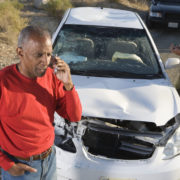
I Had an Accident in a Rental Car – Who is Responsible for Damages and Injuries?

Few experiences are quite as stressful as being involved in a car accident. Indeed, a car wreck in Alabama, even one that doesn’t involve catastrophic injuries, can be a traumatic experience for everyone involved, and one that leaves the drivers with pressing questions regarding liability and recovering compensation for damages.

Fortunately, in the aftermath of a car accident, those involved can file a claim with their insurance company in order to pursue damages. But what happens if you are involved in an accident in Alabama in a rental car? Are you still able to recover compensation for any injuries or damage involved?

Determining Who is Responsible for Damages in a Rental Car Accident in Alabama

To begin, after an accident in a rental car, determining who is responsible for paying for damages it is necessary to look at the insurance policy purchased through the rental car agency. For example, many car rental companies provide a variety of insurance types, a handful of which are described in detail below:

  • Loss damage waiver (LDW)– Loss damage waiver coverage limits the amount for which a driver is responsible in the event the car is damaged or stolen. In this case, a driver who purchased LDW would not be responsible for any of the damages sustained by the vehicle in an accident.
  • Collision damage waiver (CDW)– Collision damage waiver is similar to loss damage waiver, although it only covers damages sustained in collisions, and not due to theft.
  • Personal effects coverage (PEC)– Personal effects coverage is meant to provide compensation for damage to any personal effects damaged in a crash.
  • Personal accident insurance (PAI)– Personal accident insurance provides coverage for any personal injuries sustained in a car accident.

Ultimately, the type and scope of insurance purchased through the rental car agency will help determine who is responsible for paying for damages in the aftermath of a crash. Because rental agreements are complex documents, anyone who has been involved in a wreck in a rental car should reach out to an attorney first before discussing the issue with a company representative. By allowing your lawyer to speak to the rental car agency on your behalf, you will help ensure your rights are protected as you work to recover compensation.

What Happens if I Didn’t Purchase Any of the Available Insurance Policies from the Rental Car Agency?

Of course, not everyone opts to purchase additional insurance policies when they choose to rent a car. Many believe that they will avoid an accident in a rental car, and, as such, don’t obtain additional coverage.

In this case, if a driver has chosen not to purchase additional insurance for a rental car, they will not likely be able to obtain any compensation through the rental car agency. That does not mean that they will be forced to pay for damages out of pocket, however. Instead, any personal insurance policy that the driver currently maintains will be applied in this situation. For example, if a driver involved in a rental car accident has a separate car insurance policy, this will be used to pay for damages. In this case, the driver will still be responsible for paying for their deductible; that being said, once this amount is covered, the policy should cover the rest. In order to be certain that an existing auto insurance policy will cover your damages, you should contact McPhillips Shinbaum for assistance.

If You Have Been in an Accident, It is in Your Best Interests to Contact an Alabama Accident Attorney

In general, if you have been involved in an accident in a rental car in Alabama, it is in your best interest to reach out to a skilled Alabama personal injury attorney, regardless of the situation. You may be contacted by insurance adjusters on behalf of the rental car agency, as well as your personal coverage provider, seeking to obtain a statement. In this situation, by communicating directly through your attorney you can protect your rights as you progress through the claims process.

If you need the assistance of a legal professional, don’t hesitate to reach out to us today at McPhillips Shinbaum, LLP by calling 334-262-1911 for a free case evaluation. Our dedicated Alabama attorneys are ready to begin working on your behalf immediately.

Economic Impact of Serious Injuries Suffered in a Car Accident

Sustaining serious injuries in a car accident in Alabama can be a truly devastating experience. In the aftermath of a car wreck, many victims are faced with massive medical bills, as well as severe pain and suffering that can last for a lifetime.

Ultimately, the best way to recover compensation after sustaining injuries in an accident in Alabama is by filing a claim with the assistance of a dedicated Alabama personal injury attorney. But before you do, it is best to fully understand the economic impact that serious injuries may have on you, both now and in the future. To be sure, by obtaining a complete picture of how these injuries may affect your life, you will be in a better position to pursue the compensation to which you are rightfully entitled.

Common Injuries Sustained in Car Accidents in Alabama

In some cases, accidents cause no more than a few cuts and scrapes that require little to no recovery. Far too often, however, car wrecks lead to devastating injuries that have lasting impacts, a handful of which are listed below:

Many, if not all, of the injury types listed above will force the victim to undergo thorough medical treatment to recover, and some accident victims may never fully recover from their injuries. For example, while lacerations and broken bones may heal over time, TBIs and amputations will last for a lifetime and will require the victim to entirely modify their lifestyle in order to adapt to their new situation. Of course, herein lies the benefit of the legal system, which allows victims to pursue compensation that will cover their current and future medical bills, as well as provide for them in the future if the effects of their injuries are long lasting.

Naturally, however, this begs the question: How is it possible to determine the lasting effects of an injury sustained in a car accident?

Calculating Economic Damages for Injuries with Lasting Impacts

It is nearly impossible to associate a lifetime monetary value with many of the injuries listed above. Indeed, injuries such as traumatic brain injuries, amputations, and those that lead to other disabilities require the victim to modify their lifestyle entirely, and may rob them of the ability to work and provide for themselves or their family. In this case, the victim, with the help of a skilled Alabama personal injury attorney, should begin working to create a comprehensive list of damages suffered in the car accident, as well as how they will impact the victim’s life both now and in the future.

Take, for example, an accident that leads to an individual suffering a TBI. The initial valuation of the damages may appear fairly simple, as it will include any immediate medical bills incurred by the victim, as well as lost wages due to time spent away from work while they recover in the hospital and after being discharged.

Going forward, however, the valuation becomes more complex. Specifically, because the victim suffered a TBI from which they may never fully recover, they must determine how this may affect their future work life; if they conclude that the injury will hinder their productivity at work, they must include this calculation in their claim with a determination of the value of this damage. Furthermore, the TBI victim may be required to undergo routine medical exams for the rest of their life; as such, they must reasonably calculate their expected medical costs and pursue due compensation, as well.

An Attorney is a Valuable Tool in Calculating the Economic Impact of Injuries

Overall, perhaps the best way to obtain the compensation to which you are rightfully entitled in the aftermath of a serious car accident in Alabama is by enlisting the services of a skilled Alabama personal injury attorney. A personal injury attorney with significant experience will be able to assist you in determining the lasting impact your injuries will have on your life, and arrive at a monetary value that you can pursue in your claim. McPhillips Shinbaum has established relationships with experts who have the experience and skill to readily determine the future value of an injury.

Contact an Experienced and Skilled Alabama Injury Attorney

Don’t face the legal system or an insurance company alone if you have been injured in the Montgomery area. Instead, reach out to the legal team at McPhillips Shinbaum, LLP for a free case evaluation and to learn how we can assist you moving forward. Call us at (334) 262-1911 or contact us by using our online contact form.


I Was Hit by a Car in a Crosswalk in Alabama – Who is at Fault?

If you’ve been hit by a car as a pedestrian in Alabama, you’re likely injured, upset, and confused about the nature of your situation. Even if you were in a crosswalk when the accident occurred, someone might try to shift the blame so that they can avoid paying for a costly claim.

Unfortunately, not many people are aware of the Alabama laws pertaining to pedestrians. Like drivers, pedestrians in Alabama are subject to some rules and a standard of care. The good news is that drivers are held to a higher standard of care in most cases, and pedestrians do have rights in Alabama.

What Are Your Rights as a Pedestrian in Alabama?

Alabama law requires that pedestrians obey all traffic-control signals (such as crosswalk signs) unless they are told to do otherwise by a law enforcement officer.

When a pedestrian is in a sidewalk, they have the right-of-way under most circumstances. When there is no crosswalk signal or if the signal isn’t working, the pedestrian has the right-of-way. Vehicles are required to stop or slow down as they approach a pedestrian that is either in or near their driving lane.

Even in a crosswalk, the pedestrian could be at fault in an accident if they fail to exercise “reasonable care.” For example, if the pedestrian crosses against the traffic lights when the signal says, “Don’t Walk” or if they dart out in front of a moving vehicle without allowing it time to slow down or stop, there might be a question of negligence.

Some Little-Known Alabama Laws Governing Pedestrians

It does seem as if most rights are given to pedestrians in Alabama, as well they should be since a pedestrian doesn’t have the protection of a 4,000-pound vehicle to keep them from seriously bodily harm. This does not mean, however, that a pedestrian can run out into the road at any time and avoid responsibility for the consequences.

There are several laws that govern or restrict pedestrian activity in Alabama. For example, it is unlawful for a pedestrian to cross traffic or a road diagonally. If a sidewalk is available, it is also unlawful for a pedestrian to choose instead to walk on the roadway instead of the sidewalk. If there is no sidewalk present on a two-way road, pedestrians may only walk on the left-hand side of the road.

Pedestrians in Alabama are also not permitted to be on the roadway if they are:

  • Attempting to hitchhike
  • Under the influence of alcohol or drugs
  • Soliciting contributions, business, or employment from drivers or vehicle passengers
  • Fishing

The Seriousness of Motor Vehicle vs. Pedestrian Accidents in Alabama

Pedestrian accidents in the United States happen over 200 times per day, and Alabama is in the nation’s top 10 list for having the highest rates of pedestrian accident fatalities. Aside from the tragic deaths, nearly 76,000 people are injured in pedestrian accidents in the U.S. each year.

The people most at risk for a pedestrian accident are children and the elderly. Adults age 65 and older account for 20% of all pedestrian accident fatalities. Children are also particularly vulnerable, with one in five children killed in accident crashes being a pedestrian.

The tragic thing about these accidents is that they are completely avoidable. The most common causes of pedestrian accidents are distracted driving and reckless driving. Specifically, these accidents are caused by:

  • Drivers looking at cell phones
  • Speeding
  • Failure to yield or obey traffic signals
  • Disregard for road and weather conditions
  • Drivers under the influence of alcohol or drugs

Damages in Alabama Pedestrian Accidents

When a pedestrian goes up against a motor vehicle, motorcycle, or large truck, they aren’t going to come away from the experience unmarked. These pedestrian accidents often have catastrophic and heartbreaking consequences. If you or a loved one have been hit by a car as a pedestrian in Alabama, the damages in an ensuing case could include:

  • Medical expenses
  • Permanent disability
  • Lost wages
  • Pain and suffering
  • Wrongful death

If you’ve been injured in a pedestrian accident, contact our experienced Alabama personal injury attorneys at McPhillips Shinbaum at (334) 262-1911 to discuss your case and we can help protect your rights.


What Should I Do Immediately After a Car Accident?

No one plans to get involved in a car crash when they leave their home to head to work, do some grocery shopping or visit family. Yet, this is exactly what happens to millions of people each year. In the U.S., there are more than 5 million car crashes annually, with nearly half involving injuries. It’s a safe bet that many of these crashes create some property damage at the very least, while most victims are left with medical bills, property damage, lost wages, and even permanent disability.

If you’re involved in a car accident in Alabama, we want to make sure that you get the best care possible while protecting your rights. It’s no secret that large insurance companies want to minimize their risk, which means avoiding large payouts if possible. Even if you are unsure about fault, it is important to take specific measures to safeguard your right to compensation. Here are the steps that you should take immediately following a car accident.

1. Get to Safety
There is a common misconception that everything should be left in place after a motor vehicle accident. In some cases, it’s ok to leave your vehicle where it lies, but in others, it’s best to move to the side of the road so that you don’t cause additional accidents. Even if you don’t move your vehicles, make sure that all occupants are safely out of the roadway as quickly as possible so that no one is further injured.

2. Call the Police
You should always call the police when you’ve been involved in a car accident. Even if there is only minor damage to your vehicle and you believe that there aren’t any injuries, it’s important to have the accident recorded by an official third party. Eyewitness accounts can change quickly, so it is a good idea to get an official accounting of what everyone saw before, during and after the crash.

For example, the other driver might say that they aren’t injured and then report severe neck pain a week later. Likewise, you may not think that you have serious injuries or property damage and then realize that this isn’t the case hours or days later. An official police report can help resolve any future disputes so be sure to request a copy of your Alabama Uniform Traffic Accident Report.

3. Document Everything
While you are still at the accident scene, document as much about the accident as possible. If you are injured and unable to do this, ask a passenger or even a witness if they will help with this important task. Take pictures of both vehicles and any damage. Photograph the surroundings and take pictures of injuries if possible. Collect the name, address, and phone number of all involved parties and witnesses. If there is a later dispute about negligence in an auto accident case, you’ll be glad that you took the time to gather this important evidence.

4. Seek Medical Attention
Getting prompt medical attention for your injuries should be one of your top priorities after a car crash. If you are seriously injured, ask someone at the scene to request an ambulance. Even if you don’t need to be taken to the hospital by ambulance, it’s important that you either go to the emergency room or call your family physician as quickly as possible for treatment of your injuries.

Some auto accident victims mistakenly believe that they didn’t suffer any injuries as a result of the crash. When an accident occurs, our adrenalin level spikes and this can mask the onset of pain from muscle strains or other serious issues. When you do seek treatment, follow your doctor’s recommendations and keep copies of all medical records and bills.

5. Notify the Insurance Company
Once you are at home or a safe location, you’ll need to report the accident to your auto insurance company. You can also contact the other driver’s insurance company if you believe that they were at fault in the accident. Reporting the accident is necessary to provide “proper notice,” so that the insurer can’t later deny your claim.

6. Seek Legal Advice
Auto accidents in Alabama can become complicated for a variety of reasons. If there were multiple vehicles involved in the accident, there might be a dispute about fault. The negligent party’s insurance company might not want to pay or may try to get you to settle for less than your claim worth. In an Alabama auto accident case, it is important that you seek qualified legal advice and do so quickly.

Our experienced Montgomery auto accident attorneys are happy to discuss the specifics of your case during a free consultation. Contact the experienced Alabama car accident attorneys at McPhillips Shinbaum. Contact us at (334) 262-1911 or by using our online form to schedule an appointment.

Most Common Types of Injury Suffered in a Car Accident

When a car accident occurs, those involved are likely to suffer injuries, especially when the car accident occurs at a high speed, occupants are not buckled up, airbags are defective, etc. In fact, the U.S. Centers for Disease Control and Prevention reports that car accidents are the leading cause of unintentional injury in the United States, with more than 32,000 car accident deaths, and two million injuries, reported each year.
At the law offices of McPhillips Shinbaum, LLP, our Alabama car accident lawyers have experience handling the car accident cases of those who have sustained serious injuries. Some of the most common types of injuries suffered in a car accident include the following:

Soft Tissue Injuries

Soft tissues include tendons, ligaments, and muscles, all of which may be stretched, torn, lacerated, or otherwise damaged in a car accident. These types of injuries occur when the body is twisted in an unusual position, or when a part of the body is impacted with a blow. The most common soft tissue injuries are sprains – the stretching or tearing of a ligament – and strains – the stretching or tearing of a muscle or tendon.

These soft tissues are found throughout the body, which mean the neck, back, shoulders, knees, hips, and more are all at risk of sustaining a soft tissue injury during a serious car crash. One of the most common types of soft tissue injuries is whiplash, which is caused by the abrupt back-and-forth movement of the neck during a crash. Whiplash can cause injury to the muscles, tendons, and ligaments, but also cause damage to nerves and discs in the spine.

Head and Traumatic Brain Injuries

The head and brain are two of the most vulnerable parts of the body, despite the extremely hard skull that is designed to protect it. In an accident the head may be hit with force, leading to scalp or facial injuries which can leave a person with permanent scarring and disfigurement.

Often more serious than injuries to the external parts of the head, are injuries sustained by the brain. When a person’s head is hit with a significant amount of force, or if the head is snapped back and forth so forcefully that the brain is shaken or hit against the skull with force, or if the skull and brain are penetrated, a person will likely incur a traumatic brain injury (TBI). TBIs vary significantly in severity, but have the potential to cause emotional, cognitive, and sensory difficulties. For example, a person may lose the ability to speak or communicate, lose control over certain motor functions or may be rendered unconscious for a prolonged amount of time.

Back, Spine, and Spinal Cord Injuries

Another part of the body that is extremely vulnerable in an accident is the spine. The spine is an intricate foundational piece of the human body, providing shape for the back, and protecting the spinal cord. Made up of multiple vertebrae which form the spinal column, the spine can be damaged when the body is twisted or moved suddenly, or when hit with force or a penetrating object. This can lead to fractured vertebrae, disc herniation, or worse, a severed spinal cord. If the spinal cord is impacted, an individual may experience weakness or full paralysis at the site of the injury and below. Spinal cord injuries are permanent; there is no way to correct this injury type.

Fractured Bones

Bones are not meant to bend, and when a person’s body comes in contact with a rigid object during a crash, or is moved in an unnatural way, the result may be a bone break or fracture. A fracture may be open or closed; an open fracture is one in which the bone is so severely broken that it breaks through the skin, which is not only more painful and difficult to treat, but also increases the risk for bone infection.

While most fractured bones can be completely healed with time, the process can be very painful and expensive, and very difficult for the patient to endure.

Been Injured? We Are Here to Help

If you are injured in a car accident, whether you have suffered one of the injury types above or another type of serious injury, our experienced Alabama car accident lawyers are here to help. Contact McPhillips Shinbaum, LLP right away so our Alabama injury attorneys can get started on filing your claim and recovering compensation for the damages you suffered.  You can reach us at (334) 262-1911 or online.

What If I Am Partially to Blame for My Motorcycle Accident?

Motorcycle accidents happen more frequently than they should in the state of Alabama. In fact, in a single year in Alabama, there were 92 fatal crashes involving motorcycle or moped riders, according to the Alabama Department of Transportation. These accidents, even when they are not fatal, can have devastating consequences for motorcyclists and their families, resulting in expensive medical costs, disability, lost wages, pain and suffering, and more in many cases.

Because Alabama is an at-fault insurance state, and all drivers and motorcyclists are required to carry liability insurance, if you are in a motorcycle accident caused by another driver, that driver’s insurance is typically responsible for paying damages. But what happens in the event that you are partially to blame for your accident?

 Situations Where You May Be Partially to Blame

Even when fault for an accident seems obvious, an insurance adjuster may be able to use evidence against you to establish that you were partially to blame. There are two types of negligence of which you may be found guilty:

Negligence per se. Negligence per se is the breach of a law or ordinance. As it pertains to motorcycle accidents, you could be found partially to blame for your crash if:

  • You weren’t wearing a helmet (Alabama law requires all motorcycle operators and passengers to wear protective headgear);
  • You were lane splitting (riding between lanes of traffic or between rows of vehicles);
  • You and other motorcyclists were operating your bikes more than two abreast in a single lane; or
  • You were breaking any traffic law, such as speeding, drinking while driving, etc.

General negligence. You may also be found partially at fault for an accident if you committed an act of general negligence – the failure to execute a reasonable duty of care and this act contributed to your crash. Examples of general negligence might include:

  • Operating your motorcycle while distracted;
  • Operating after having a single drink (even if your BAC is below the legal limit);
  • Operating at an unsafe speed for conditions (even though under the speed limit); or
  • Performing an unsafe maneuver.

Negligence Is a Bar to Recovery

All states have negligence laws on the books, which dictate how a claimant’s/plaintiff’s own negligence affects their ability to recover compensation. Most states allow for recovery even when a plaintiff contributes to their injuries. However, Alabama is not one of them. Alabama is a pure contributory negligence state, which means that if a plaintiff is found to be at fault for their injuries in the slightest, even one percent, they are completely barred from recovery. This means that even if the driver who hit you was 99 percent to blame, you may be unable to recover compensation if your one percent of fault can be proven.

The Importance of Protecting Yourself

Alabama’s pure contributory fault laws are unusually strict, and they require motorcyclists to do due diligence when riding and navigating the claims process. Some things to keep in mind:

  • Always operate your motorcycle safely and within the parameters of the law – do not give a court reason to reject your lawsuit based on a small error;
  • Carry medical payments insurance coverage, which will help to pay for your injuries after a crash regardless of fault; and
  • Hire an experienced Alabama motorcycle injury attorney – when you need to recover compensation after a motorcycle accident in Alabama, you need an attorney on your side who knows how to prove the negligence of other parties and negotiate for compensation that addresses your losses.

Contact Our Law Firm Today

At the law offices of McPhillips Shinbaum, LLP, we know that you can’t afford to have your claim denied because of a small act of fault – or an accusation of fault – on your part. When you hire our law offices, our experienced and knowledgeable Alabama motorcycle accident attorneys will immediately get to work building your claim and helping you to recover every penny you deserve. We collect evidence to improve your chances of winning your claim or lawsuit if your case goes to court.

Our Alabama motorcycle attorneys are ready to meet with you. Write us a message or call our offices directly at 334-262-1911 for a free consultation. Remember, help is only a heartbeat away.


Regulators Draft Rule Requiring that Large Trucks Become Speed-Limited

Approximately one in ten fatal accidents in the US involves a large truck or tractor-trailer. Due to their size and weight, large commercial vehicles such as semi-trucks, 18-wheelers and buses all hold the capacity to do a great deal of harm when involved in accidents with smaller passenger vehicles. The faster they go, the greater their potential to do serious harm in a crash. In order to address this risk and other concerns, the Federal Motor Carrier Safety Administration (FMCSA) and National Highway Traffic Safety Administration (NHTSA) have each introduced similar rules that would require large commercial vehicles to have their ability to speed mechanically limited.

The rule, currently available for public comment, would require trucks, buses, and other commercial vehicles weighing over 26,000 lbs. to come equipped with speed limiters. These devices would prevent the vehicles from traveling over 60, 65, or 68 mph, with the upper speed to be determined by the agencies after the close of the public comment period.

According to studies conducted by the Department of Transportation, speed limiters could bring about valuable improvements in the accident rates of large trucks and buses, as well as substantial savings in fuel costs and the costs associated with greenhouse gas emissions. Certain carrier companies have been using speed-limited trucks for years, which has allowed the Department of Transportation to examine the sort of impact speed limiters have on roadway safety. According to their research, 11 out of 100 speed-limited trucks are involved in accidents, while among trucks without speed limiters, that rate is 16.4 out of 100 trucks. Additionally, the Department of Transportation believes that requiring the use of speed limiters with a top speed set at 60 mph could result in a savings of well over $800 million in fuel-related costs. “Even small increases in speed have large effects on the force of impact,” said Mark Rosekind, NHTSA administrator. “Setting the speed limit on heavy vehicles makes sense for safety and the environment.”

Many transportation and shipping industry advocates are strongly in favor of the rule, as well. Chris Spear, the CEO of the American Trucking Association, described his organization’s long-time advocacy for such a rule. “We are pleased NHTSA and FMCSA have, almost 10 years after we first petitioned them, released this proposal to mandate the electronic limiting of commercial vehicle speeds,” he said. “Speed is a major contributor to truck accidents and by reducing speeds, we believe we can contribute to a reduction in accidents and fatalities on our highways.”

If you’ve been injured in an accident with a large truck in Alabama, seek the money you need to be made whole after a crash by contacting the dedicated and compassionate Montgomery personal injury attorneys at McPhillips Shinbaum, “The People’s Law Firm,” for a consultation, at 334-262-1911.